0
24 Apr How to Give a Cat a Tablet: Food, Handling and Vet Support
Before trying any tablet technique
Check the prescription instructions with your vet before choosing food, butter, a pill aid or a different formulation. A food-hiding method is not suitable for every cat or medicine.
- Ask whether this exact tablet may be split, crushed or given with food.
- Request a demonstration of safe handling and any food or water needed afterwards.
- If you are unsure how much was swallowed, call the prescriber before repeating the dose.
Keep a tick-box dose record so two carers do not both give the medicine. Stop repeated unsuccessful attempts and ask about alternatives; changing the timing or formulation needs veterinary agreement.
A tablet that comes straight back out can make medication time frustrating. Start with the instructions for the particular medicine and a technique your veterinary team has shown you. Food, tablet aids and alternative formulations all need to suit the prescription and your cat.
The aim is to give the prescribed dose with as little struggle as possible. If that is not happening, getting help is part of the treatment plan—not a failure.
Why a cat may resist a tablet
Cats are notoriously picky and often resist anything unfamiliar—especially pills. Here are a few reasons why your cat might be so difficult when it comes to medication:
- Taste and Smell
Cats have a powerful sense of smell. Even if you think the pill is well hidden, they might detect it immediately and refuse to eat it. Many medications taste bitter, which makes them even more unappealing to your feline friend.
- Texture Sensitivity
Cats are sensitive to texture, and they quickly notice anything unusual in their food. Crushing a pill into their favorite treat can backfire if the altered texture gives it away.
- Stress and Lack of Control
Being handled or restrained can trigger stress in cats. The act of forcing something into their mouth may make them panic, leading to fear-based resistance.
- Previous Bad Experiences
Cats remember unpleasant experiences. If giving a pill once ended in a struggle, they might resist even more the next time.
Prepare before you start
- Check the medicine name, dose and prescribed time on the label.
- Have the agreed equipment and any approved food ready before bringing your cat over.
- Choose a quiet place and arrange a veterinary demonstration if you are unsure about handling.
- Keep a dose record where everyone caring for your cat can see it. Wash your hands and follow any medicine-specific handling precautions.
Option 1: hide the tablet in approved food
First ask whether this exact tablet can be given with food. If it can, your vet may suggest a small amount of a suitable treat or your cat’s normal food. A mouldable pill treat is another possibility if its ingredients suit your cat. Check that the tablet is eaten; a clean plate alone may not tell the whole story.
Keep other pets away from medicated food. If some is left or you are unsure how much medicine was swallowed, record what happened and contact the prescriber before trying another dose. Do not change a restricted diet simply to disguise a pill.
Option 2: crushing or splitting, only when approved
Some tablets must remain whole. Ask about the specific product before splitting or crushing it, even if a previous medicine could be altered. Where crushing is authorised, ask how to give the full dose and what food is suitable. Follow the agreed method rather than adding powder to a whole meal that may be left unfinished.
Option 3: direct administration with a demonstration
If food is unsuitable or does not work, ask a vet or veterinary nurse to demonstrate safe handling and placement. A tablet aid also needs a demonstration: incorrect use can injure the mouth. Ask what food or water should follow the medicine and how to give that safely. The PDSA guide to giving tablets includes a veterinary demonstration to discuss with your practice.
Stop if the attempt becomes a struggle and contact the practice for an alternative plan. Do not repeatedly force the mouth open or improvise a syringe technique. A written guide cannot show whether your particular cat is being held safely.
Keep the treatment plan consistent
Use the prescribed timing rather than experimenting with different times of day. Choose an agreed reward your cat enjoys, and ask your vet about timing changes if the routine is difficult. A helper should use the same demonstrated technique.
If a dose is missed, spat out or uncertain
For a missed dose, check the medicine instructions or contact your vet. If a tablet is spat out, food is left, your cat vomits after dosing or two carers may have given medicine, explain exactly what happened to the prescriber. Do not automatically repeat or double a dose. Seek urgent veterinary advice if your cat becomes unwell or you suspect an overdose.
| Record | Example of what to write |
|---|---|
| Medicine and scheduled dose | Copy the current prescription instructions; do not estimate. |
| Time and person giving it | Record immediately, not from memory later. |
| What you observed | Swallowed / spat out / medicated food partly left / unsure. |
| Advice and next action | Who you spoke to and the instructions they gave. |
Ask about alternatives early
Tell your vet what is making treatment difficult. Depending on the medicine, there may be another formulation or a different plan. A liquid, skin-applied treatment or compounded product is not an interchangeable substitute for every tablet; the prescriber needs to decide what is appropriate.
Before the next dose, know which method you are using, how you will check it was given and whom to contact if it fails. Keep the prescription and dose record together so everyone follows the same plan.
Sources and further help
Guidance checked 19 October 2026. Cats Protection: giving a tablet · PDSA: giving pills, alternatives and missed doses.
-
Ragdoll Zada Cat Tree – Cream, 145 cm
Original price was: £261.00.£189.52Current price is: £189.52. -
CanadianCat Corner Coon Cat Tree – Cream, 140 cm
Original price was: £403.89.£269.54Current price is: £269.54. -
Ragdoll Zada Cat Tree – Anthracite, 145 cm
Original price was: £218.62.£189.83Current price is: £189.83. -
CanadianCat Corner Coon Cat Tree – Anthracite, 140 cm
Original price was: £403.89.£269.00Current price is: £269.00. -
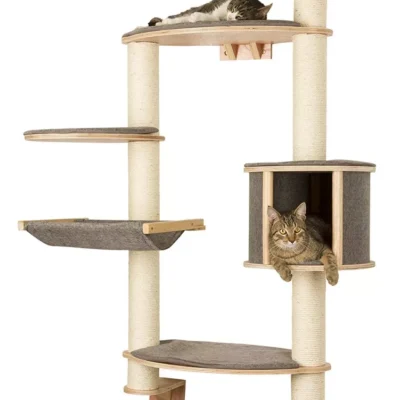
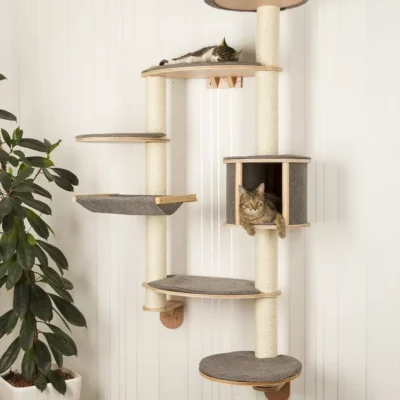
Wall-Mounted Cat Tree Dolomit XL Tofana
Original price was: £238.61.£225.00Current price is: £225.00. -
Nobby Brida Cat Tree – Cream, 90 cm
Original price was: £298.51.£252.34Current price is: £252.34. -
Nobby Arto Cat Tree – Dark Grey, 152 cm
Original price was: £477.58.£381.30Current price is: £381.30. -
Ragdoll Zada Cat Tree – Cappuccino, 145 cm
Original price was: £218.62.£188.05Current price is: £188.05. -
Maine Coon Fiida Cat Tree – Cream, 165 cm
Original price was: £445.15.£404.05Current price is: £404.05. -
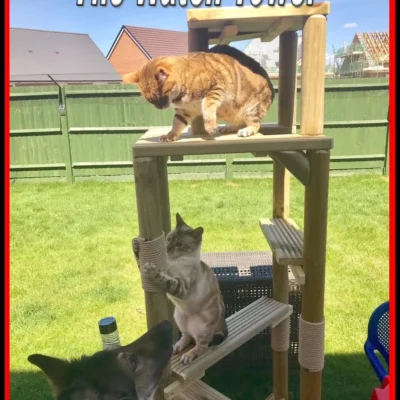
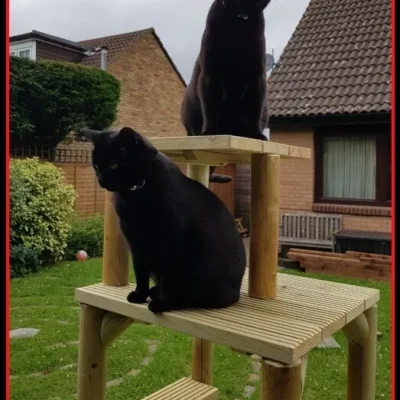
Watch Tower Outdoor Cat Tree – 162 cm
£232.00 -
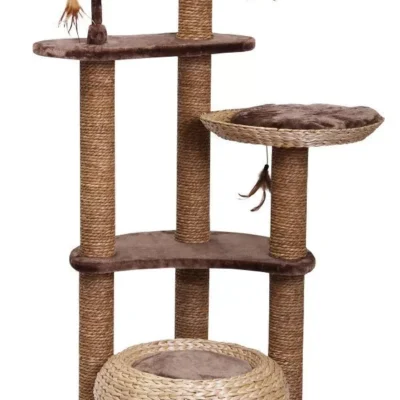
Nobby Estaca Cat Tree – Brown, 141 cm
£258.90 -
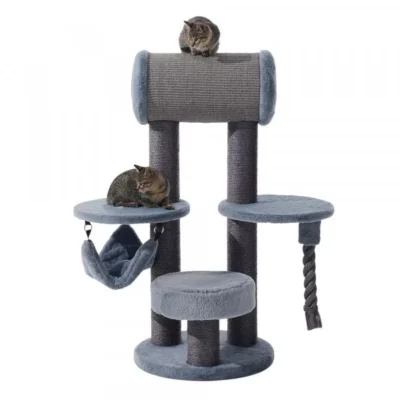
Nobby Javis Cat Tree – Grey, 111 cm
£260.36 -
CanadianCat Ontario Cat Lounge – Cream, 100 cm
£182.86 -
Ragdoll Fantasy Cat Tree – Grey, 209 cm
Original price was: £612.96.£501.99Current price is: £501.99. -
TRIXIE Klara XXL Cat Tree – Cream, 100 cm
Original price was: £206.40.£177.21Current price is: £177.21. -
Maine Coon Extreme Deluxe Cat Tree – Cream, 185 cm
Original price was: £517.52.£465.63Current price is: £465.63. -
Ragdoll Juan Cat Tree – Cream, 166 cm
Original price was: £515.51.£486.16Current price is: £486.16. -
TRIXIE Lucano XXL Cat Tree – White & Taupe, 110 cm
Original price was: £269.61.£185.86Current price is: £185.86. -
Nobby Samar Cat Tree – Grey, 130 cm
£293.36 -
Nobby Nanuk Cat Tree – 156 cm
Original price was: £291.58.£240.96Current price is: £240.96. -
Kerbl ECO Alex Cat Play House
Original price was: £271.62.£182.00Current price is: £182.00. -
Nobby Elif Activity Cat Tree – Cream, 189 cm
£597.01 -
Nobby Ruby Cat Tree – Grey, 197 cm
Original price was: £623.69.£583.40Current price is: £583.40. -
The Residence Lounge (Cream)
£155.82