0
Prioritise Stability
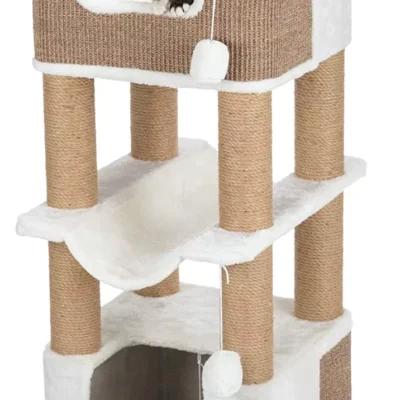
An athletic cat can create considerable movement when jumping between levels. Look for a solid base, substantial supports and a structure that remains steady during normal use.
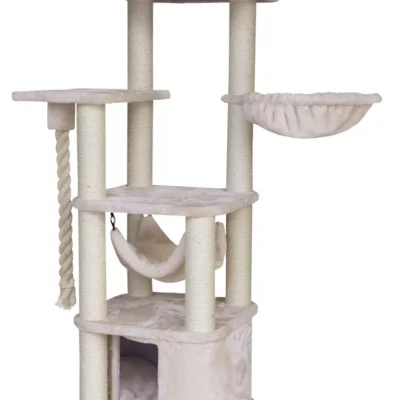
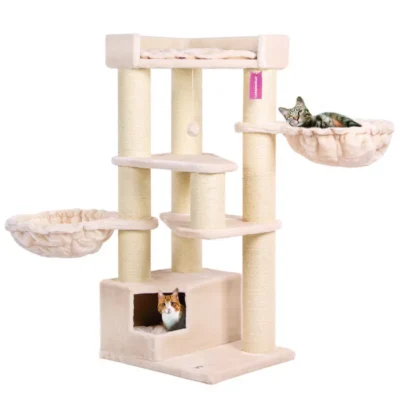
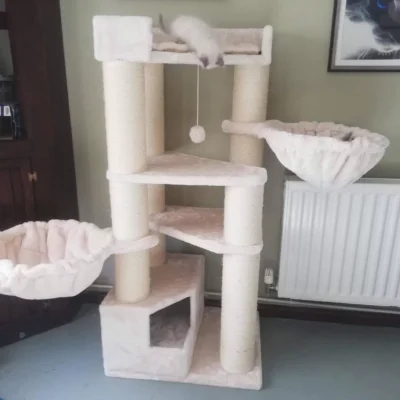
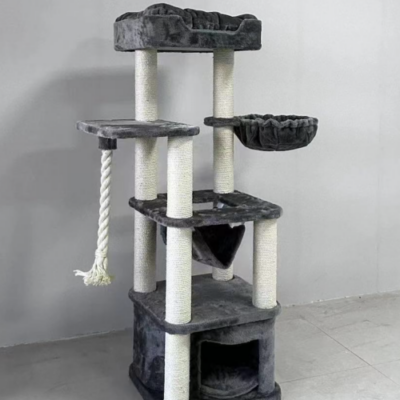
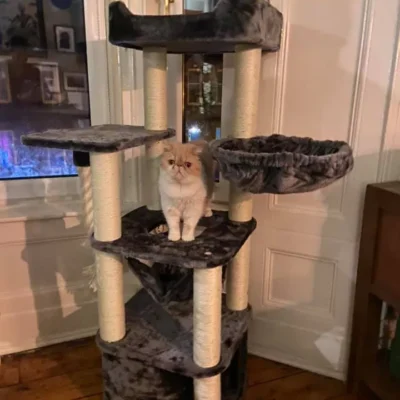
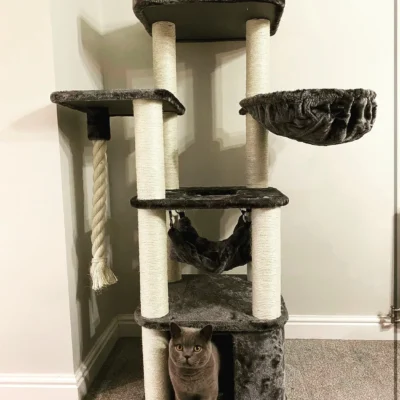
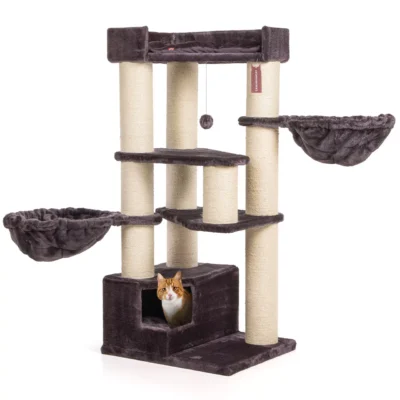
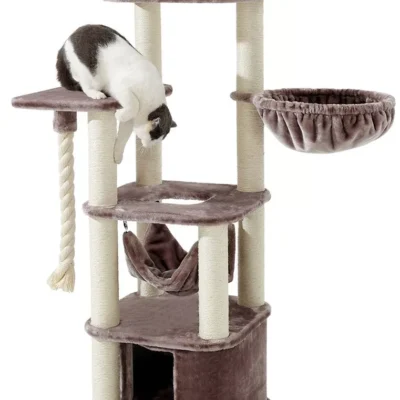
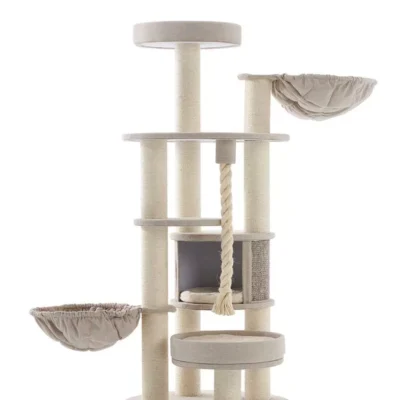
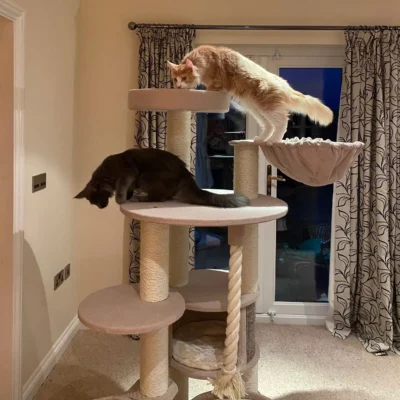
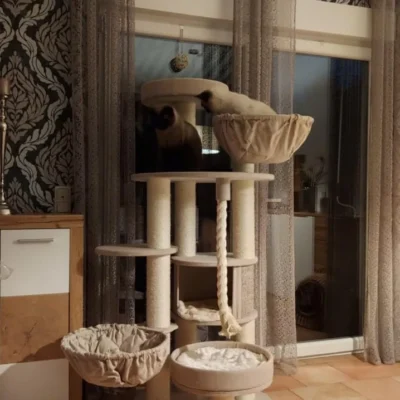
Looking for a cat tree that can keep up with an active Bengal? Bengals are muscular, athletic and naturally inquisitive cats that often enjoy climbing, exploring and spending time above floor level. A good Bengal cat tree should therefore combine stability, usable climbing space, scratching surfaces and comfortable places to rest.
Browse our Bengal cat tree selection below, then use our buying guide further down the page to compare height, platform size, stability and different styles of climbing furniture.
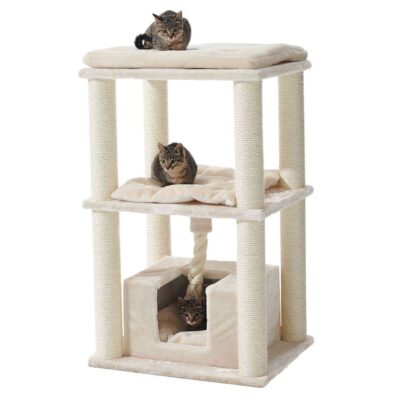
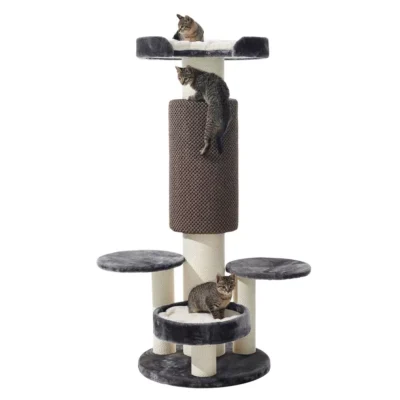
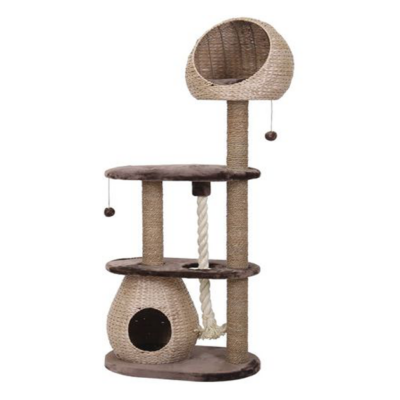
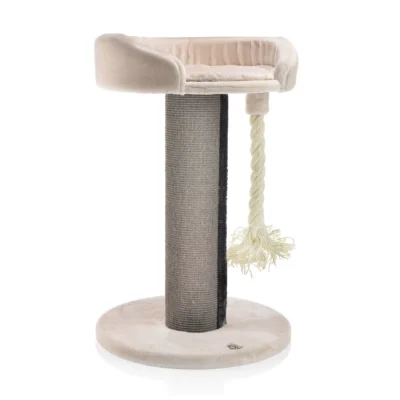
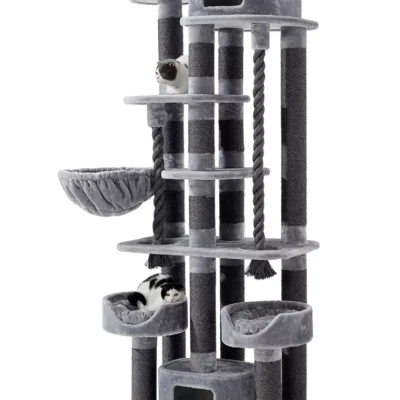
The products below include substantial freestanding trees, tall climbing towers and other designs that may suit active Bengal cats. Always check the individual measurements before ordering, particularly platform dimensions, sleeping areas and overall height.
The Bengal is described by The International Cat Association as a medium-to-large, muscular and athletic breed with a high-energy, curious personality. Many Bengals enjoy climbing, chasing and investigating their surroundings, although every individual cat is different.
That makes the practical dimensions and construction of a cat tree more important than whether the product simply has “Bengal” in its name.
An athletic cat can create considerable movement when jumping between levels. Look for a solid base, substantial supports and a structure that remains steady during normal use.
Product photographs can make platforms appear larger than they are. Check the measurements and make sure your Bengal can sit, turn and rest comfortably.
Many Bengals enjoy elevated positions, but height should come with stable platforms and practical routes between levels rather than simply being tall for the sake of it.
Vertical scratching areas should allow your cat to stretch naturally. Additional scratching posts elsewhere in the home can provide even more choice.
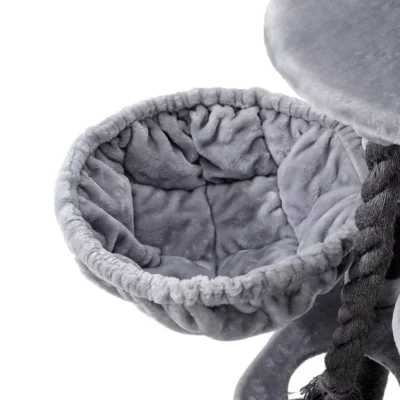
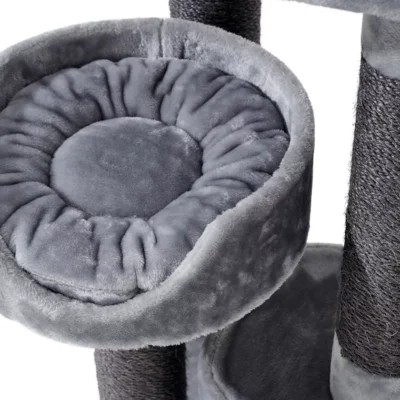
Active cats still spend plenty of time sleeping. Beds, hammocks and top platforms should be large enough to be genuinely useful.
Bengals vary in size and personality. Age, body length, mobility and climbing habits all matter when choosing furniture.
Bengals are generally medium-to-large cats with a muscular build, but that does not mean every Bengal needs the biggest cat tree available.
TICA gives approximate adult weights of 6–12 lb for females and 9–15 lb for males, although individual cats can fall outside those ranges. More important than a breed label is whether the tree provides enough usable space for the individual cat.
If your Bengal is particularly large or long-bodied, compare the models on this page with our large cat tree collection .
Many Bengals enjoy climbing and elevated observation points, so taller cat furniture can be particularly appealing.
However, a tall cat tree still needs to be practical. Look for:
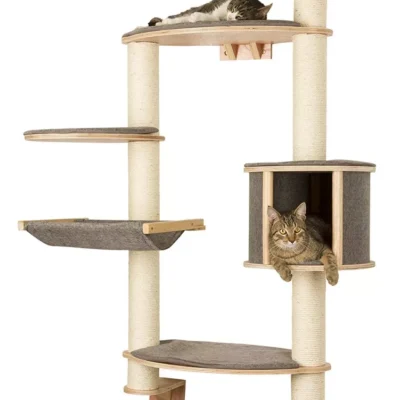
For homes where floor space is limited, you may also want to compare floor-to-ceiling cat trees or wall-mounted cat furniture .
A versatile option for most homes. Larger designs often combine broad platforms, scratching posts, hammocks and sleeping areas in one structure.
Browse Cat TreesUseful for active cats that enjoy climbing and for homes where vertical space is easier to find than a wide area of floor.
Browse Floor-to-Ceiling TreesAllows you to build a modular climbing route from shelves, platforms and bridges while making use of otherwise empty wall space.
Browse Wall-Mounted FurnitureBengals kept indoors need a varied environment that gives them opportunities to move, explore and use natural behaviours.
A cat tree can add useful vertical territory and scratching surfaces, but it should form part of a wider enrichment setup rather than being expected to entertain your Bengal by itself.
Useful additions can include:
TICA describes Bengals as high-energy cats that thrive on climbing, chasing, investigation and mentally stimulating play. :chatgpt-content-reference{index="0"}
A large cat tree may include several scratching posts, but some Bengals will still benefit from additional scratching areas elsewhere in the home.
Different cats prefer different materials and positions. One may stretch vertically against sisal while another regularly chooses a horizontal cardboard scratcher.
Browse our cat scratching posts or read why cats scratch furniture for more information.
If several cats will use the same tree, look for more than one genuinely useful resting area.
A multi-cat setup may benefit from:
Cats that live together do not necessarily want to rest next to one another all the time, so giving them several choices can be more useful than relying on one prized top platform.
Look for a stable tree with useful climbing levels, generous platforms, appropriate scratching surfaces and comfortable resting areas. Choose according to your individual Bengal rather than relying only on a breed label.
Many Bengals enjoy climbing and elevated positions. TICA describes the breed as athletic and high-energy, with climbing being a common part of their activity. Individual preferences still vary.
Bengals are generally considered medium-to-large and muscular. TICA lists approximate adult weights of 6–12 lb for females and 9–15 lb for males, although individual size varies.
No. A product does not need a Bengal label. What matters is that the dimensions, stability and layout suit the individual cat using it.
They can be a good option for active cats when the platforms, height range and installation method suit your Bengal and the room.
Yes, provided the structure offers enough usable resting and climbing space. Additional beds, scratching posts and elevated areas elsewhere in the home are also useful.
There is no single ideal height. Choose according to your cat's age, mobility and climbing habits. Stability and platform size are at least as important as total height.
Bengals are athletic, inquisitive cats and many enjoy making full use of vertical space. A well-chosen tree can provide climbing, scratching, observation and resting areas within one structure.
Start with stability, then check the actual dimensions of the platforms, beds and scratching areas. Most importantly, choose for your individual cat rather than buying the tallest product simply because it has been marketed towards Bengals.
The best Bengal cat tree is the one your cat can comfortably climb, scratch and relax on — and actually chooses to use.