0
29 May Tamed Instincts: Uncovering the Wild Roots of Your Domestic Cat
Domestic cats are often seen as pampered, purring companions curled up in cozy homes. Yet beneath that soft fur and sleepy demeanor lies a remarkable connection to their wild ancestors. This exploration of the domestic cat’s journey from untamed hunter to household pet reveals a fascinating story of evolution, instinct, and shared traits that span thousands of years.
Tracing the Origins of Domestic Cats
To understand the behavior and nature of today’s domestic cat, we must look to its origins. Scientifically classified as Felis catus, the domestic cat shares a lineage with several species of wildcats. Among the most influential is the African Wildcat (Felis lybica), widely considered the closest living relative. Other contributors include the European Wildcat (Felis silvestris) and Asiatic wildcats, all of which have shaped the domestic cat’s genetic profile.
The earliest connection between cats and humans dates back over 9,000 years to early agricultural communities. As humans began storing grains, rodents became a problem—an opportunity cats instinctively capitalized on. This mutually beneficial relationship marked the beginning of domestication, where cats provided pest control and humans offered food and shelter in return.
Over generations, some wildcats adapted to life near humans, developing social tendencies previously unseen in their more solitary ancestors. These semi-social behaviors are still visible in domestic cats today, who can be both independent and affectionately bonded to their human families.
Instincts That Persist: The Wild Within
Despite centuries of domestication, cats have retained many behavioral traits from their wild ancestors. Chief among these is the hunting instinct. Even the most docile housecat exhibits hunting behaviors—stalking, pouncing, and batting at toys. These actions are not simply play; they are echoes of a natural predator sharpening its skills.
Territorial behavior is another instinctive trait. Much like wildcats, domestic cats patrol and mark their territory using scent glands found on their face, paws, and tail base. Scratching furniture, rubbing against legs, and chin-marking are all ways cats claim ownership of their space.
Grooming habits are also deeply rooted in feline biology. Cats groom not only to stay clean but also to regulate temperature, reduce stress, and bond with other cats. Social grooming, known as allogrooming, is a behavior inherited from their wild cousins, reinforcing group bonds in colonies and multi-cat households.
By recognizing these instincts, cat owners can provide a more enriching environment that honors their pet’s natural behaviors. Understanding your cat’s roots helps explain why they behave the way they do—and how best to support them.
Physical Traits That Reflect Wild Ancestry
Physically, domestic cats still carry the marks of their wild lineage. Their coats, for example, often mimic natural camouflage. Tabby patterns, stripes, spots, and mottled fur echo the look of wildcats and serve a similar purpose: to blend in with surroundings and remain unseen by prey or predators.
Coloration patterns such as counter-shading—where a cat’s underside is lighter than its back—also have evolutionary advantages. This shading breaks up the cat’s silhouette, making it harder to detect in the wild.
Beyond the coat, certain anatomical features are shared between domestic and wild cats. Retractable claws allow for stealthy hunting and are kept sharp for defense and play. The vertical slit pupils in their eyes adapt to varying light conditions, giving cats superior night vision. Their long, sensitive whiskers function as environmental sensors, helping cats navigate tight spaces and detect subtle changes in airflow or obstacles.
Flexibility is another inherited trait. A cat’s unique skeletal structure allows it to twist, turn, leap, and land with precision—whether it’s jumping onto a high shelf or stalking a shadow in the hallway.
Nurturing Natural Instincts at Home
While today’s cats may not roam the savannah or prowl the forests, their wild instincts are still very much alive—and it’s our responsibility as pet owners to nurture them. Creating opportunities for natural behaviors helps prevent boredom and anxiety while enriching their everyday lives.
Interactive toys are a simple yet effective way to stimulate hunting behavior. Feather wands, mouse-like toys, and laser pointers allow cats to practice stalking and pouncing. Puzzle feeders and treat-dispensing toys engage their brains and replicate the challenge of foraging.
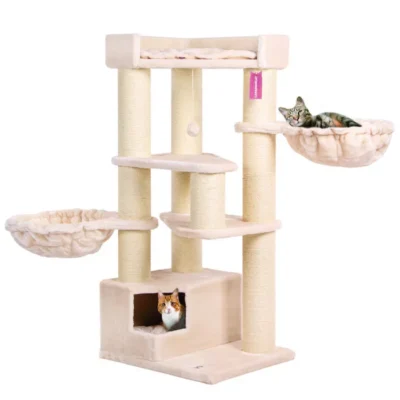
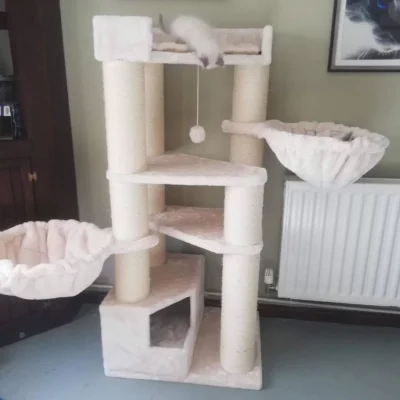
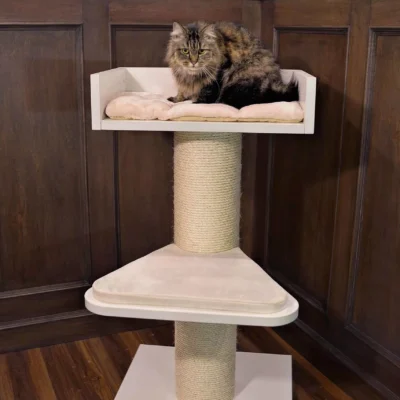
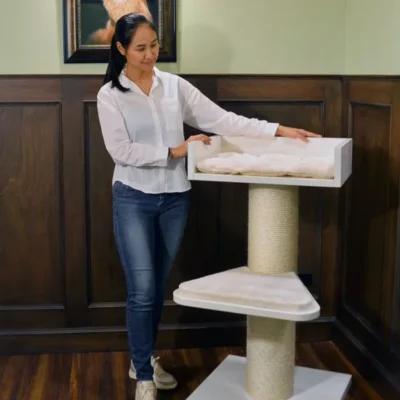
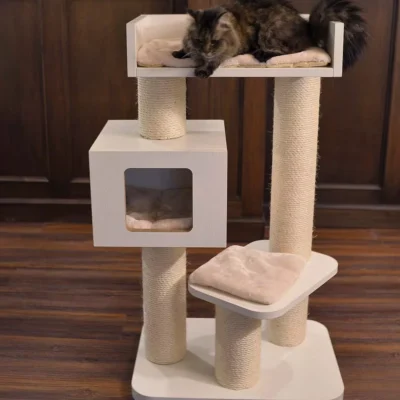
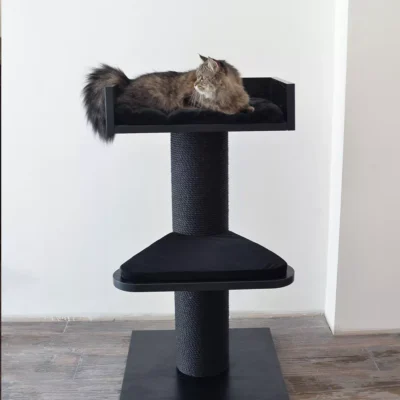
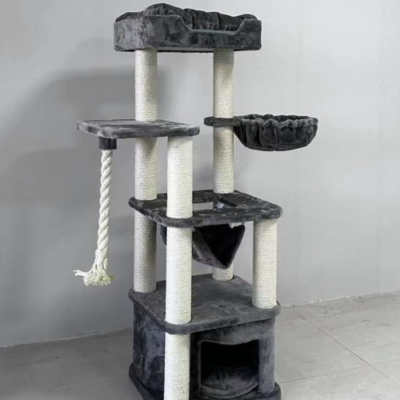
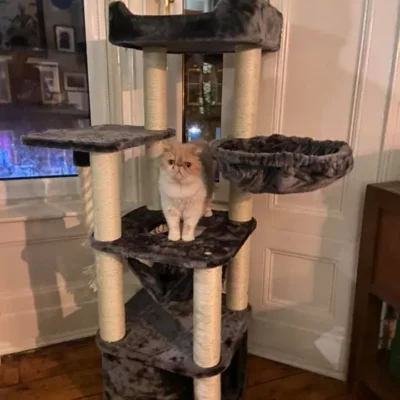
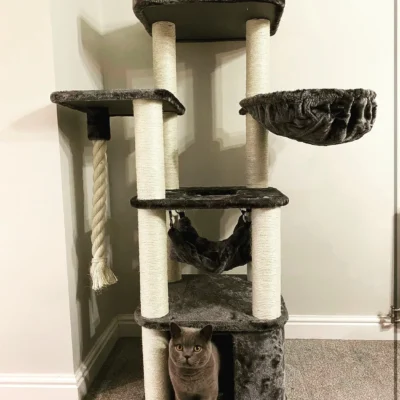
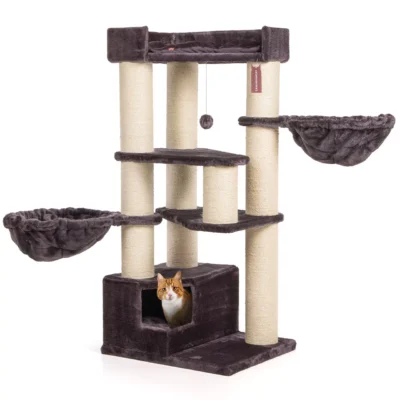
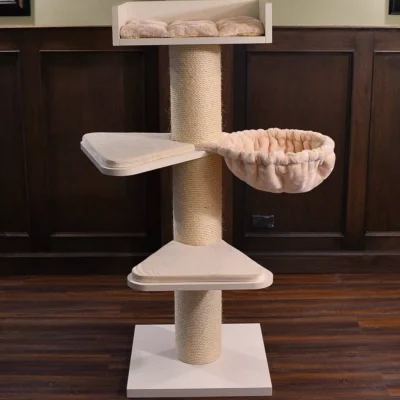
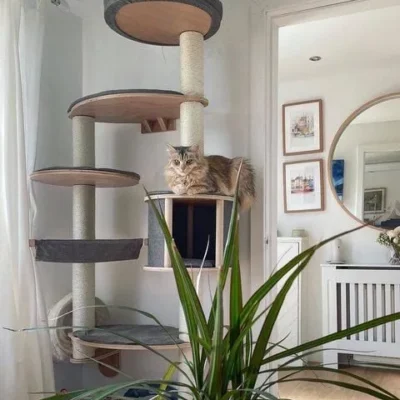
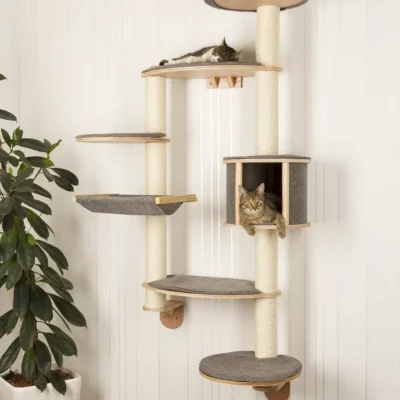
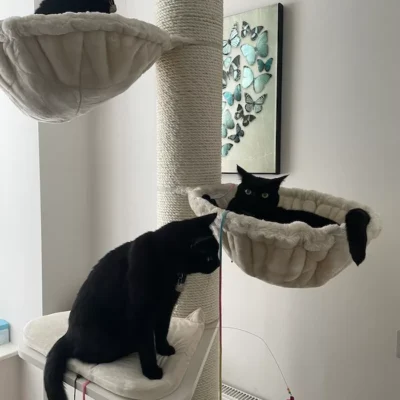
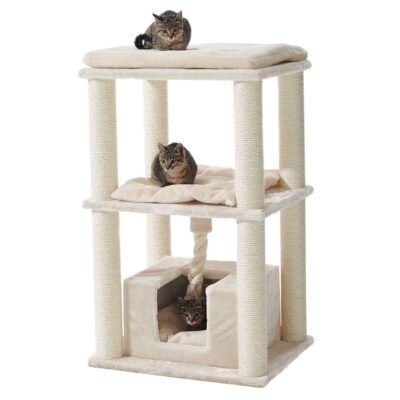
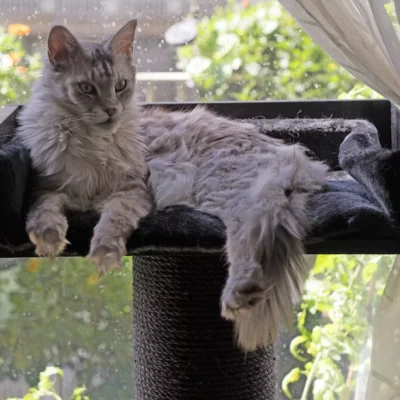
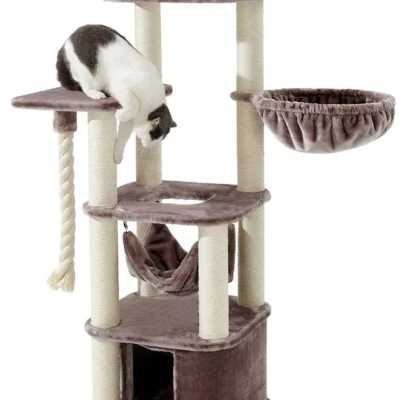
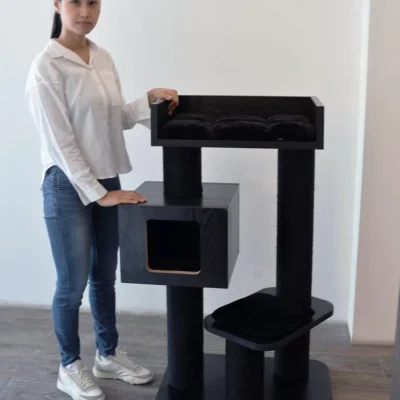
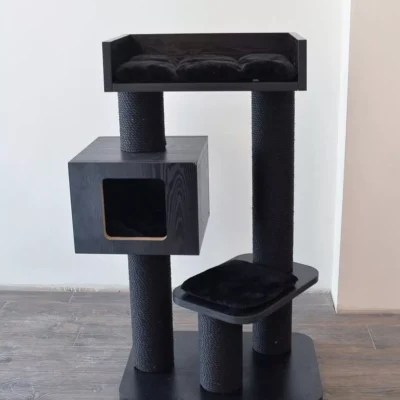
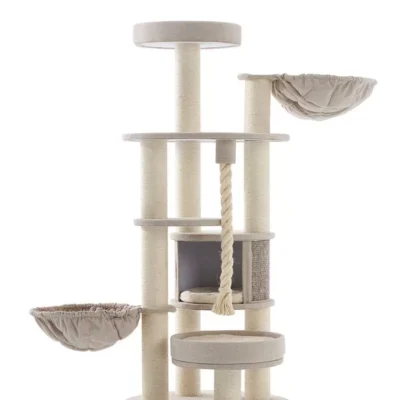
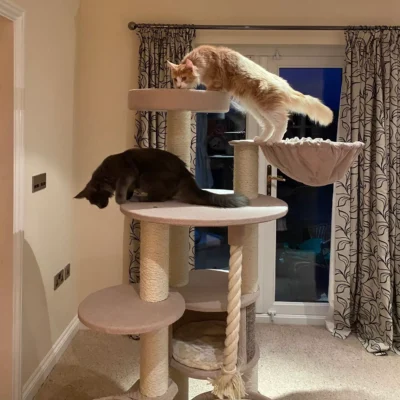
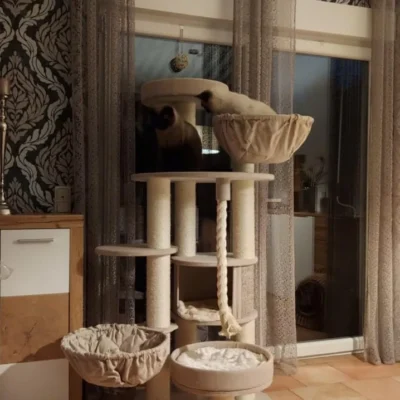
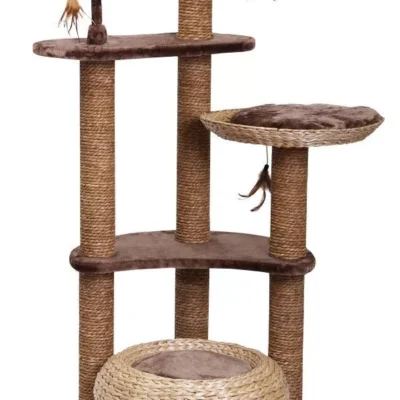
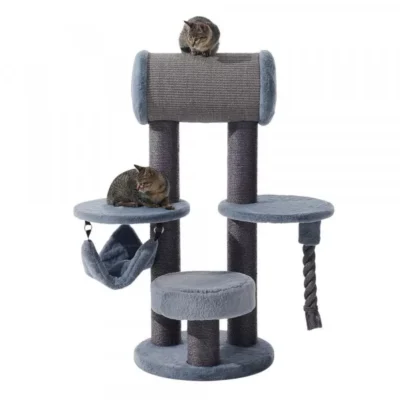
Creating vertical spaces, such as shelves, cat trees, and perches, allows cats to climb and observe their surroundings—important behaviors inherited from wildcats who seek safety and vantage points.
For those with access to outdoor space, a secure catio (cat patio) offers safe exploration. Exposing your cat to fresh air, scents, and sights of birds or insects satisfies their curiosity and natural desire to explore.
Even indoor cats can enjoy birdwatching by placing feeders near windows. The movement of wildlife stimulates their senses and keeps them mentally engaged. Hiding treats or toys around the house can also trigger tracking and scavenging behaviors.
Balancing Safety with Freedom
While embracing your cat’s inner wildcat, safety should remain a top priority. Ensure toys are non-toxic and don’t contain small parts that could be swallowed. Supervise play with strings or feather toys, and always offer a physical reward after laser play to avoid frustration.
Introducing new experiences gradually and with positive reinforcement helps prevent stress. Not every cat will take to every activity, so observe their preferences and tailor enrichment efforts accordingly.
Conclusion: The Wild Heart of the Housecat
Our journey into the shared history of domestic and wild cats reveals a compelling truth: the cat curled up at the end of your bed is not far removed from its wild ancestors. From their instincts and behaviors to their physical traits and tendencies, domestic cats are living reflections of a rich evolutionary legacy.
By recognizing and honoring this heritage, we can better understand our feline companions. Offering outlets for natural behaviors, enriching their environment, and appreciating their complex instincts allows cats to live happier, more fulfilling lives.
In embracing the wild within, we deepen the bond we share with our cats—acknowledging not just the pets they’ve become, but the wild spirits they still are.
-
Canadian Corner Coon Activity Centre (Cream)
Original price was: £403.89.£269.54Current price is: £269.54. -
Maine Coon Lounger De Luxe (Creme)
Original price was: £260.92.£178.86Current price is: £178.86. -
The Devon De Luxe (Cream)
Original price was: £309.76.£163.00Current price is: £163.00. -
Maine Coon Lounger De Luxe (Blackline)
Original price was: £277.68.£178.24Current price is: £178.24. -
Ragdoll Zada Cat Tree (Anthracite)
Original price was: £212.25.£184.30Current price is: £184.30. -
Canadian Corner Coon Activity Centre (Anthracite)
Original price was: £403.89.£229.00Current price is: £229.00. -
Maine Coon Royal De Luxe Plus (Cream)
Original price was: £378.64.£238.00Current price is: £238.00. -
Maine Coon Royal Deluxe (Creme)
Original price was: £347.89.£218.90Current price is: £218.90. -
Wall-Mounted Cat Tree Dolomit XL Tofana
Original price was: £238.61.£225.00Current price is: £225.00. -
Maine Coon Tower Deluxe (Cream)
Original price was: £518.78.£278.12Current price is: £278.12. -
Cat Tree “Brida”
Original price was: £289.82.£244.99Current price is: £244.99. -
Maine Coon Royal Deluxe Plus (Blackline)
Original price was: £433.36.£238.00Current price is: £238.00. -
Maine Coon Royal Deluxe (Blackline)
Original price was: £345.38.£218.90Current price is: £218.90. -
Cat Tree Arto
Original price was: £463.67.£370.19Current price is: £370.19. -
BARELI Cat Tree
Original price was: £329.71.£277.64Current price is: £277.64. -
Ragdoll Zada Cat Tree (Cappuccino)
Original price was: £212.25.£182.57Current price is: £182.57. -
Maine Coon Tower Deluxe (Blackline)
Original price was: £328.98.£277.40Current price is: £277.40. -
The Devon De Luxe (Blackline)
Original price was: £326.52.£163.99Current price is: £163.99. -
Maine Coon Fiida Cat Tree
Original price was: £432.18.£392.28Current price is: £392.28. -
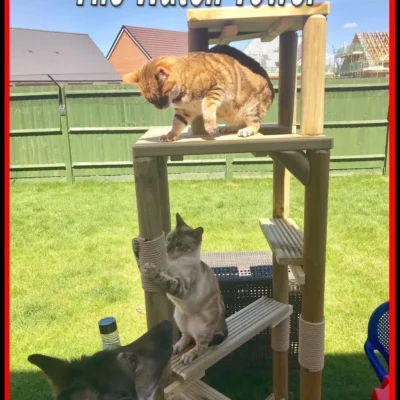
The Watch Tower
£232.00 -
Cat Tree Estaca
£251.36 -
Scratching post “Javis”
£252.78 -
The Devon De Luxe Plus (Cream)
Original price was: £473.01.£210.00Current price is: £210.00. -
The Ontario Cat Lounge (Creme)
£182.86