0
29 May Refined and Radiant: A Luxe Grooming Guide for Long-Haired Cats
Long-haired cats are the epitome of elegance, captivating us with their flowing fur and dignified charm. Their silky coats, while undeniably beautiful, demand regular grooming to ensure not only their visual appeal but also their comfort and health. If you’re the proud companion of a long-haired feline, understanding the importance of grooming is essential. This comprehensive guide explores everything you need to know to keep your long-haired cat healthy, happy, and looking their luxurious best.
Why Grooming Is Essential for Long-Haired Cats
Grooming isn’t just about maintaining your cat’s appearance—it’s a fundamental part of their health care. Long-haired cats are particularly prone to matting, tangles, hairballs, and skin irritations if their coats are not properly cared for. Grooming removes loose fur, stimulates the skin, and helps distribute natural oils throughout the coat, contributing to its shine and softness.
Beyond the physical benefits, grooming also provides an opportunity to bond with your feline companion. Regular sessions help build trust and create a routine your cat may grow to enjoy. With patience and the right techniques, grooming can become a pleasant ritual for both of you.
Understanding Long-Haired Cat Breeds and Their Grooming Needs
Long-haired cats come in a variety of breeds, each with distinct coat types and grooming requirements. Persian cats are perhaps the most iconic, with thick, silky coats and flat faces that require daily brushing to prevent severe matting. Maine Coons, with their rugged, water-resistant fur, are more tolerant of the elements but still benefit from weekly grooming to manage tangles.
Ragdolls, known for their gentle nature and semi-long fur, require consistent yet gentle care to keep their coats from matting. Himalayans combine the thick coat of the Persian with the striking blue eyes of the Siamese, needing just as much daily attention. Norwegian Forest Cats and Birmans also boast luxurious coats that thrive under regular maintenance.
Understanding the unique traits of your cat’s breed will help you tailor your grooming regimen accordingly. Whether their fur is silky, dense, or semi-long, recognizing their specific needs is the first step in keeping them looking and feeling their best.
Must-Have Grooming Tools for Long-Haired Cats
Equipping yourself with the right grooming tools can make a significant difference in both the effectiveness and enjoyment of the grooming process. A slicker brush is ideal for removing loose hair, tangles, and dander, especially in thick coats. Choose one with soft, flexible bristles to avoid irritating your cat’s sensitive skin.
A wide-tooth comb is another essential tool, perfect for gliding through longer fur and detecting hidden knots. For cats with dense undercoats, an undercoat rake or deshedding tool can help prevent excess shedding and reduce the likelihood of hairballs.
When it comes to mat removal, a mat splitter or dematting tool can help untangle stubborn areas without causing pain. Grooming scissors with rounded tips are useful for trimming around delicate spots like the face and paws. And for those occasional baths, be sure to use a gentle, cat-specific shampoo that won’t irritate their skin or dry out their coat.
Creating a Stress-Free Grooming Routine
Establishing a calm, consistent grooming routine is key to success. Start by choosing a quiet space free from distractions. Speak in soothing tones and give your cat time to adjust before beginning. Begin each session by brushing from the neck down, following the direction of the fur. Pay special attention to problem areas such as behind the ears, under the legs, and around the tail.
Once you’ve brushed the entire coat, follow up with a wide-tooth comb to smooth out the fur and detect any remaining tangles. For mats that resist brushing, a small amount of detangling spray or conditioner can help loosen them. Finish with a final brushing to remove any last bits of loose fur and restore a polished look.
Bathing, while not always necessary, can help maintain coat health if your cat gets particularly dirty or oily. Use warm water, a non-slip mat, and a gentle touch. Always rinse thoroughly and ensure your cat is fully dried to prevent chill.
Addressing Common Grooming Challenges
Long-haired cats are more likely to develop tangles, knots, and hairballs. To prevent mats, groom regularly and never let tangles go unchecked. Mats can quickly tighten and become painful for your cat, so catching them early is crucial.
Hairballs are another common issue. As your cat grooms itself, it may swallow loose fur, leading to digestive discomfort. Regular brushing greatly reduces the amount of fur your cat ingests, but hairball treatments or fiber-rich supplements can also be helpful.
Some areas, such as the paws, belly, and face, are especially sensitive. Approach these spots with extra care, using a damp cloth for cleaning around the eyes and mouth. If your cat becomes anxious or resistant, take breaks and reward them afterward with treats or playtime.
When to Seek Professional Help
Even with the best intentions, there may be times when professional grooming is the best course of action. If your cat has severe matting or if you’re uncomfortable grooming delicate areas, a trained groomer can help without causing stress or pain to your cat.
Professional groomers are skilled in handling all coat types and can offer advice on maintaining your cat’s fur between visits. They can also help identify skin issues, parasites, or other health problems that may not be visible to the untrained eye.
The Bonding Benefits of Grooming
Grooming is more than just a practical task—it’s an act of love. When done with care and consistency, it becomes a bonding ritual that deepens your connection with your cat. It’s a time to show affection, monitor your cat’s health, and ensure they’re living comfortably.
Cats that are groomed regularly are generally happier and healthier. Their coats are cleaner, softer, and free of painful mats. Their skin can breathe, and they experience less irritation and discomfort. In return, you’ll find your cat more relaxed, affectionate, and at ease in their environment.
Final Thoughts: A Labor of Love for Your Feline Royalty
Caring for a long-haired cat is a responsibility that comes with countless rewards. Their elegant coats may require time and effort to maintain, but the result is a cat that radiates beauty, health, and contentment. With the right tools, a thoughtful routine, and plenty of patience, grooming becomes a cherished part of your relationship.
So embrace the fluff, enjoy the bonding moments, and take pride in knowing that your long-haired cat is not only stunning on the outside but thriving on the inside. A well-groomed cat is a happy cat—and there’s no better reward than the soft purr of satisfaction from a feline who feels truly loved.
-
Ragdoll Zada Cat Tree
Original price was: £253.40.£170.00Current price is: £170.00. -
Canadian Corner Coon Activity Centre (Cream)
Original price was: £403.89.£269.54Current price is: £269.54. -
The Devon De Luxe (Cream)
Original price was: £325.25.£192.15Current price is: £192.15. -
Maine Coon Lounger De Luxe (Blackline)
Original price was: £291.56.£187.15Current price is: £187.15. -
Ragdoll Zada Cat Tree (Anthracite)
Original price was: £212.25.£184.30Current price is: £184.30. -
Canadian Corner Coon Activity Centre (Anthracite)
Original price was: £403.89.£269.00Current price is: £269.00. -
Wall-Mounted Cat Tree Dolomit XL Tofana
Original price was: £238.61.£225.00Current price is: £225.00. -
Cat Tree “Brida”
Original price was: £289.82.£244.99Current price is: £244.99. -
Cat Tree Arto
Original price was: £463.67.£370.19Current price is: £370.19. -
BARELI Cat Tree
Original price was: £329.71.£277.64Current price is: £277.64. -
Ragdoll Zada Cat Tree (Cappuccino)
Original price was: £212.25.£182.57Current price is: £182.57. -
Maine Coon Fiida Cat Tree
Original price was: £432.18.£392.28Current price is: £392.28. -
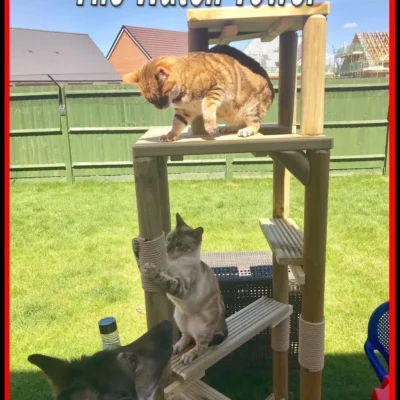
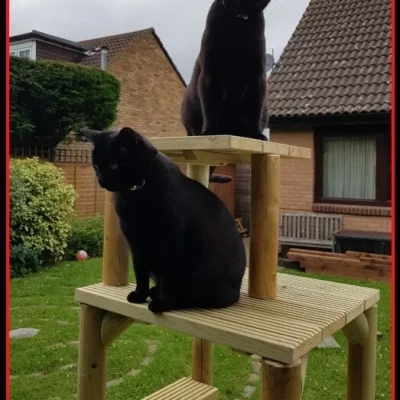
The Watch Tower
£232.00 -
Cat Tree Estaca
£251.36 -
Scratching post “Javis”
£252.78 -
The Ontario Cat Lounge (Creme)
£182.86 -
Ragdoll Fantasy Cat Tree (Grey)
Original price was: £595.11.£487.37Current price is: £487.37. -
The Klara XXL (Creme)
Original price was: £206.40.£177.21Current price is: £177.21. -
Maine Coon Extreme Deluxe
Original price was: £502.45.£452.07Current price is: £452.07. -
Ragdoll Juan
Original price was: £500.50.£472.00Current price is: £472.00. -
Lucano XXL Cat Tree
Original price was: £269.61.£185.86Current price is: £185.86. -
Maine Coon SAMAR
£284.82 -
Nanuk Cat Play System Tower Tree
Original price was: £283.09.£233.94Current price is: £233.94. -
ECO Cat Play House Alex
Original price was: £271.62.£182.00Current price is: £182.00.