0

02 Jul Curiosity Licked: Decoding the Marvel of the Cat’s Rough Tongue
The Curious Case of the Raspy Feline Tongue
Among the many endearing and enigmatic qualities that define our feline companions, the texture of a cat’s tongue remains one of the most curious and misunderstood. Anyone who has ever received a loving lick from a cat knows the surprise of feeling what seems like a miniature strip of sandpaper brushing their skin. Far from being a random quirk of evolution, the roughness of a cat’s tongue serves a multitude of vital functions that support their grooming habits, feeding behaviors, and even social bonding. In this blog, we explore the anatomy, utility, and evolutionary brilliance of the feline tongue, uncovering why this seemingly small organ plays such a pivotal role in a cat’s daily life.
A Closer Look: The Anatomy of a Cat’s Tongue
At the heart of the feline tongue’s sandpapery texture lies a network of tiny, backward-facing structures known as papillae. These papillae are composed of keratin—the same durable protein found in human fingernails—and line the surface of a cat’s tongue like microscopic hooks. Measuring just fractions of a millimeter in length, these structures are angled to point toward the throat, helping cats perform an array of tasks with impressive precision. When a cat licks, these papillae work like a natural brush, combing through fur, catching loose hairs and dirt, and spreading saliva across the coat for cleaning and cooling. Their unique structure not only distinguishes a cat’s tongue from that of other animals, such as dogs, but also exemplifies the biological adaptations that align perfectly with feline instincts and behaviors.
Grooming as a Lifesaving Ritual
The most well-known use of a cat’s rough tongue is grooming. Cats are meticulous self-groomers, and their tongue is the ultimate tool for keeping their coats in peak condition. The papillae function like miniature combs, reaching through the fur to remove dirt, parasites, and loose hair while also distributing natural oils that maintain skin and coat health. This cleaning ritual also plays a surprising role in thermoregulation. By spreading saliva across their fur, cats promote evaporative cooling—a vital method of lowering body temperature, especially for animals with limited sweat glands. What appears to be a vanity routine is, in fact, an essential behavior for health, hygiene, and comfort.
Efficiency in the Art of Eating
Cats are obligate carnivores, and their anatomy reflects this at every level, including their tongues. The papillae are not just excellent at grooming—they also enhance feeding efficiency. In the wild, these barbs help strip meat from the bones of prey, ensuring that cats can consume as much nutritional value as possible. Even domestic cats retain this function, and their tongues remain adept at managing food texture, tearing meat into bite-sized morsels, and directing food toward the throat. This evolutionary trait highlights their continued connection to their predatory ancestors, providing a glimpse into the raw instincts that still govern many of their behaviors.
Temperature Regulation Through Saliva
While cats may not sweat like humans, they have adapted other methods for regulating body heat. During grooming, the saliva spread over their bodies begins to evaporate, cooling their skin in a process similar to sweating. This is especially beneficial during warm weather, allowing cats to manage their internal temperature with elegant efficiency. It’s a subtle yet significant example of how a single biological feature can support survival on multiple levels.
The Tongue as a Tool for Communication
Beyond the mechanical functions of cleaning and feeding, a cat’s tongue also serves as a tool for social interaction. Licking is a behavior rooted in trust and affection. Mother cats groom their kittens not only to keep them clean but to comfort and bond with them. Adult cats extend this behavior to humans and other animals they trust, offering licks as a sign of companionship and emotional closeness. While it might not always feel pleasant, a cat licking your skin is a heartfelt expression of connection—one that links you to their inner circle.
Taste and Texture: How Cats Experience Their World
Taste is another fascinating function tied to the cat’s tongue, albeit one that differs significantly from humans. Cats have far fewer taste buds and are unable to detect sweetness—a trait aligned with their carnivorous diet. However, they are exceptionally sensitive to amino acids, the building blocks of proteins, which helps them identify meat and fulfill their nutritional needs. In addition to taste, texture plays a major role in how cats perceive food. Their rough tongue helps assess whether food is fresh, palatable, or safe, guiding their dietary choices in both wild and domestic environments.
Unexpected Benefits and Lesser-Known Facts
The rough texture of a cat’s tongue even contributes to wound care. Feline saliva contains certain enzymes with mild antiseptic properties, which is why cats instinctively lick their wounds to clean them. While not a substitute for veterinary care, this behavior is another example of how their tongues serve more than just surface-level purposes. Their tongues also inspire innovation outside the animal world—scientists and engineers have studied the design of cat papillae to create more efficient grooming brushes and even improve robotic gripping tools.
Practical Tips for Cat Owners
Understanding your cat’s tongue can also enhance the way you care for them. While cats groom themselves effectively, helping with regular brushing can reduce the risk of hairballs and matting. Observing your cat’s grooming habits can provide important clues about their health—changes in grooming frequency, posture, or tongue use may indicate discomfort or illness. Providing a variety of food textures can also support both dental health and sensory satisfaction. Finally, if your cat licks you often, see it as the compliment it is: a form of bonding rooted in their instincts and trust in you.
Conclusion: The Ingenious Design of a Natural Tool
The rough tongue of a cat is a testament to the extraordinary design and functionality embedded in even the smallest features of animal anatomy. From grooming to feeding, from communication to sensory perception, this single organ fulfills multiple essential roles with effortless grace. Understanding the multifaceted nature of a cat’s tongue not only deepens our respect for feline biology but also enriches the bond we share with these magnificent creatures. So, the next time your cat offers a raspy lick or meticulously grooms their fur, take a moment to marvel at the evolutionary brilliance beneath that sandpaper surface—proof that every part of a cat is crafted for both beauty and survival.
-
Ragdoll Zada Cat Tree
Original price was: £241.33.£176.00Current price is: £176.00. -
Canadian Corner Coon Activity Centre (Cream)
Original price was: £403.89.£269.54Current price is: £269.54. -
Maine Coon Lounger De Luxe (Creme)
Original price was: £237.20.£162.60Current price is: £162.60. -
The Devon De Luxe (Cream)
Original price was: £281.60.£182.69Current price is: £182.69. -
Maine Coon Lounger De Luxe (Blackline)
Original price was: £252.44.£162.04Current price is: £162.04. -
Ragdoll Zada Cat Tree (Anthracite)
Original price was: £202.14.£176.00Current price is: £176.00. -
Canadian Corner Coon Activity Centre (Anthracite)
Original price was: £403.89.£274.89Current price is: £274.89. -
Maine Coon Royal De Luxe Plus (Cream)
Original price was: £344.22.£244.45Current price is: £244.45. -
Maine Coon Royal Deluxe (Creme)
Original price was: £316.26.£199.00Current price is: £199.00. -
Wall-Mounted Cat Tree Dolomit XL Tofana
Original price was: £238.61.£225.00Current price is: £225.00. -
Maine Coon Tower Deluxe (Cream)
Original price was: £471.62.£252.84Current price is: £252.84. -
Maine Coon Royal Deluxe Plus (Blackline)
Original price was: £393.96.£230.00Current price is: £230.00. -
Maine Coon Royal Deluxe (Blackline)
Original price was: £313.98.£199.00Current price is: £199.00. -
Cat Tree Arto
Original price was: £441.59.£352.56Current price is: £352.56. -
BARELI Cat Tree
Original price was: £314.01.£264.42Current price is: £264.42. -
Maine Coon Tower Deluxe (Blackline)
Original price was: £299.07.£252.18Current price is: £252.18. -
The Devon De Luxe (Blackline)
Original price was: £296.84.£139.99Current price is: £139.99. -
Maine Coon Fiida Cat Tree
Original price was: £411.60.£373.60Current price is: £373.60. -
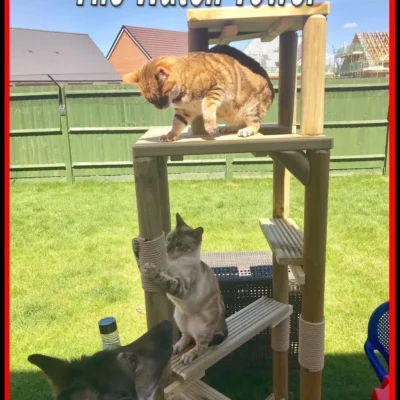
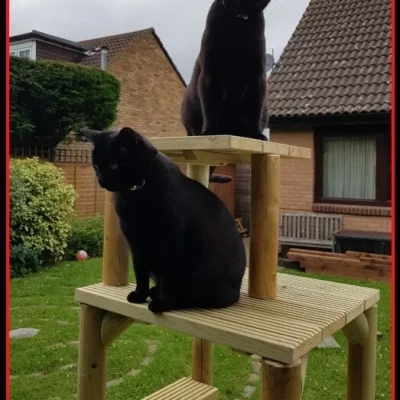
The Watch Tower
£232.00 -
Cat Tree Estaca
£239.39 -
Scratching post “Javis”
£240.74 -
The Devon De Luxe Plus (Cream)
Original price was: £430.01.£230.00Current price is: £230.00. -
The Ontario Cat Lounge (Creme)
£182.86 -
Maine Coon Tower Crown (Cream)
Original price was: £583.98.£260.00Current price is: £260.00.