0
07 Jun Cat Trees for Ragdolls: Space, Support and Easy Access
A Ragdoll cat tree needs generous resting areas, a stable frame and a comfortable route between levels. Measure the beds and entrances before choosing by overall height.
Ragdolls are large cats, and their relaxed reputation should not distract from the practical demands they place on furniture. A tree still needs to support climbing, scratching, turning around and a comfortable stretch-out at nap time.
The right design gives your individual cat choices. This guide helps you compare bed shapes, hammocks, platform spacing and maintenance without assuming every Ragdoll wants the same tower.
Start with your cat, not the breed stereotype
The GCCF describes the Ragdoll as a large, semi-longhaired breed that matures slowly. That is useful background for planning space, but it does not tell you which perch your cat will choose. Some enjoy climbing and energetic games; others spend more time on lower resting places.
Watch your Ragdoll for a few days before buying. Note preferred sleeping positions, the height of favourite furniture and whether they use enclosed beds. A cat that stretches across a sofa cushion is giving you a useful clue about bed area. A cat that avoids narrow surfaces may prefer a broad platform to a small basket.
For a young cat, account for future size without making the current route difficult. You can choose a spacious lower model or a design with accessible stages. Do not assume “kitten now, tall tower later” is the only option, or that the tallest adult tree is automatically appropriate today.
Measure sleeping space properly
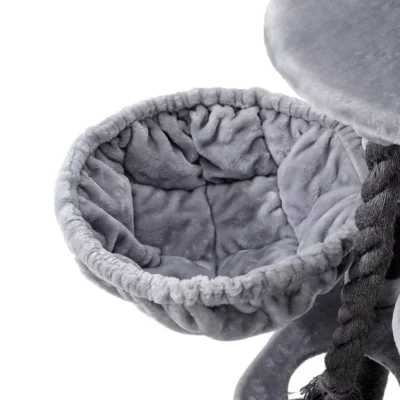
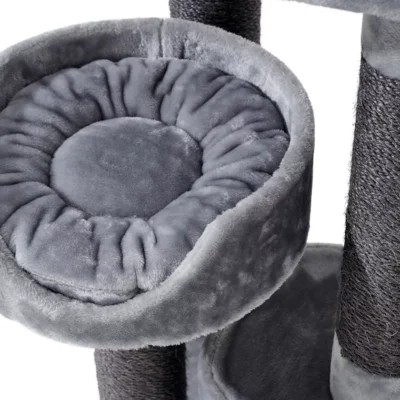
Ask for the dimensions inside the bed's rim. A wide-looking circular bed can lose a substantial amount of usable area to thick padding. For a rectangular platform, check both length and width; one generous measurement cannot compensate for a very narrow surface.
Compare with a resting space your cat uses comfortably. Include enough room to turn and change posture rather than matching only the smallest curled shape. If your cat likes a raised edge, check that it leaves room for the body instead of taking up most of the bed.
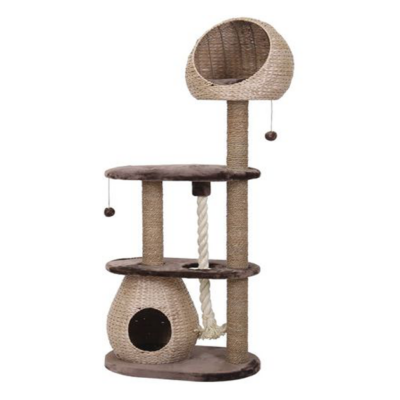
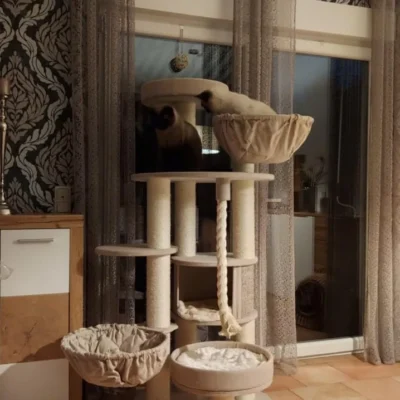
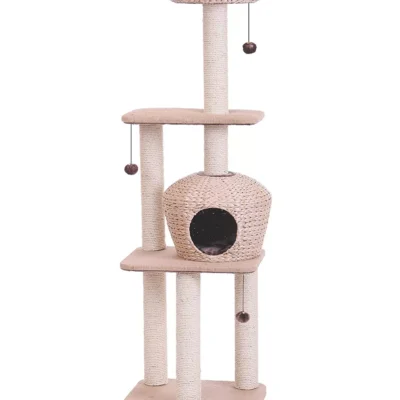
Enclosed dens need three checks: internal floor space, internal height and entrance dimensions. Inspect the approach in the product photographs too. A post directly outside the doorway may make entry less convenient for a broad cat even when the opening itself appears adequate.
Which features deserve priority?
| Your Ragdoll's habit | Feature to prioritise | What to compare |
|---|---|---|
| Stretches out to sleep | A broad open bed or platform | Usable length and width inside any rim |
| Curls into soft beds | A supported basket or hammock | Usable space, depth and component weight guidance |
| Enjoys private resting places | An accessible den | Entrance size and room to turn |
| Moves cautiously between surfaces | Closely arranged, roomy stages | First step, landing area and descent route |
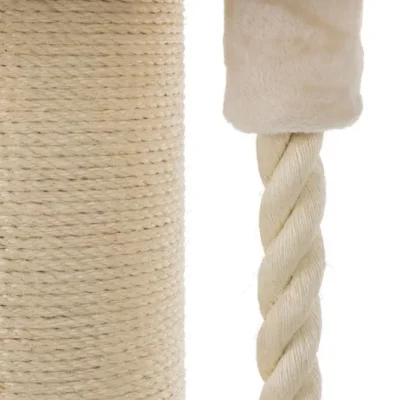
| Scratches upright | A clear length of scratching post | Working height, surface and stability |
Check the frame beneath the softness
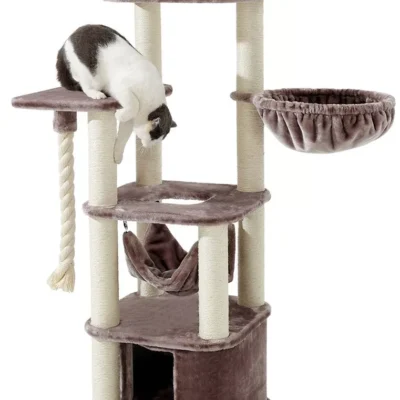
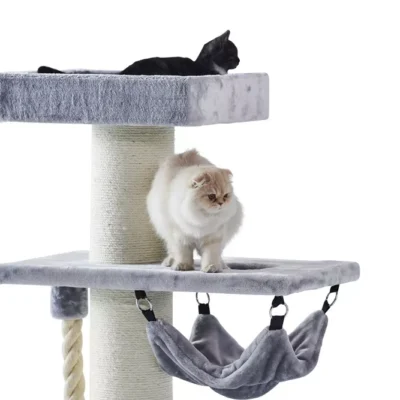
Plush upholstery can make a tree look substantial, but the frame, base and joints provide support. Read the construction details and ask about anything the listing leaves unclear. Look at how broad beds are supported and how far hammocks project from the main posts.
Check the manufacturer's weight guidance for individual components as well as the overall unit. Your cat's current weight matters more than a photograph of a similar breed. If two cats might use one bed together, ask about that situation specifically rather than adding their weights to an unspecified total capacity.
Follow assembly and restraint instructions. A tree placed near a wall is not necessarily anchored to it, and a corner does not fix a loose connection. If a correctly assembled tree still rocks or shifts, stop and ask the supplier for guidance before encouraging your cat onto it.
Choose hammocks with an exit in mind
A soft hammock can be inviting, but its shape changes when occupied. Ask how it is supported, how deep it hangs and how the cat gets back onto a firm surface. A roomy basket at a sensible height may be preferable to a small deep sling at the very top.
Check whether the cover is removable and how its attachments work. Replacement covers must fit the frame and preserve the intended support. An improvised fabric sling is not an equivalent replacement simply because its edges reach the same points.
If your Ragdoll has never used a hammock, keep a firm resting option available too. No breed description can guarantee acceptance. Our hammock buying guide explains the differences between baskets, slings and fixed beds.
Make climbing and descent comfortable
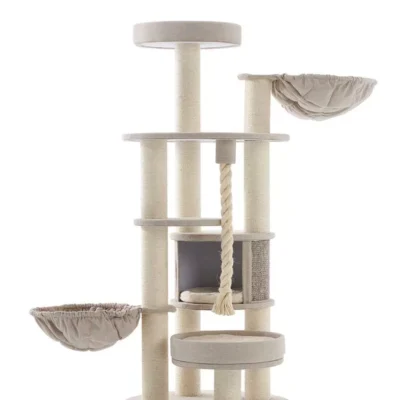
Trace a route from the floor to each useful bed. Are the stages close enough for your cat's usual movement? Is there room to pause? Can the cat return by the same route without an awkward turn at a narrow edge?
Do the same exercise from the top down. A design may look easy to climb from the front photograph while the descent requires a larger jump than expected. Ask for another view or a diagram if the layout is unclear.
Sudden reluctance to climb, stiffness or a change in movement deserves a veterinary check. A new low bed can improve access, but it cannot explain or treat discomfort. Choose furniture around your cat's current abilities and any advice from their vet, rather than trying to encourage them through an uncomfortable jump.
Position the tree for everyday use
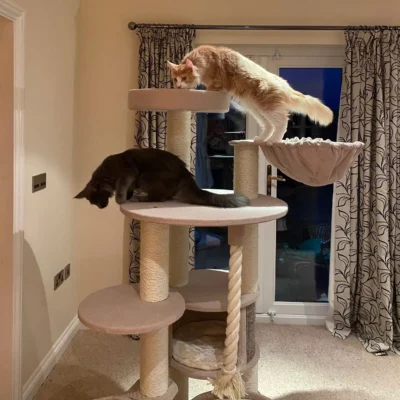
A familiar room gives the tree a better chance of becoming part of your Ragdoll's routine. Choose a position with a clear approach, space around projecting beds and no door swing across the base. If the cat enjoys company, an unused spare room may be less appealing than a quieter part of the living room.
Check the environment at perch height. Secure windows, remove access to blind cords and keep the tree away from direct heat. Do not make an otherwise unsuitable location acceptable by adding an unstable stool or loose furniture as a step.
Allow voluntary exploration. Keep favourite existing beds available and avoid placing your cat on the highest level to demonstrate where it should sleep. A gentle game near a lower platform is enough of an invitation; whether to climb remains the cat's choice.
Plan for coat care and cleaning
Long fur can collect in seams, basket edges and the corners of enclosed beds. Look for surfaces you can reach with a vacuum attachment and bedding you can remove according to its instructions. The softest-looking tree is not always the easiest to maintain.
Inspect fabric for loose threads and catches, especially where your cat climbs over a rim. Wash covers as directed and refit them only when dry. Keep fastening points secure so pads do not slide across landing areas.
A tree does not replace routine grooming. Keep grooming separate from a resting refuge if your cat dislikes being brushed there, and use our cat grooming guide for practical coat-care information. The aim is a comfortable sleeping place that remains easy to look after.
Compare your shortlist before ordering
Write down each model's usable bed measurements, base footprint, component limits, access arrangement and available spare parts. That makes differences clearer than comparing photographs in separate browser tabs.
If floor space is limited, do not sacrifice the resting area your large cat needs just to buy a tall narrow tower. Compare large cat trees by actual footprint and bed size. A lower model may provide more usable space within the room.
The selection below provides designs to investigate, rather than a promise that every model suits every Ragdoll. Open the listing for current specifications and ask about missing measurements before purchase.
Frequently asked questions
Do Ragdolls need a special breed-specific tree?
They need furniture that fits their size and habits. A suitable well-supported tree does not need a breed label, and a breed label does not remove the need to check measurements.Is a hammock essential?
No. Some cats prefer firm beds or open platforms. Choose a hammock if its size, support and access suit your cat, while retaining another resting option.Should I choose the tallest model?
Choose useful space and an accessible route first. Height can add choice for an enthusiastic climber, but a cramped top bed is not improved simply by being higher.Sources and further reading
-
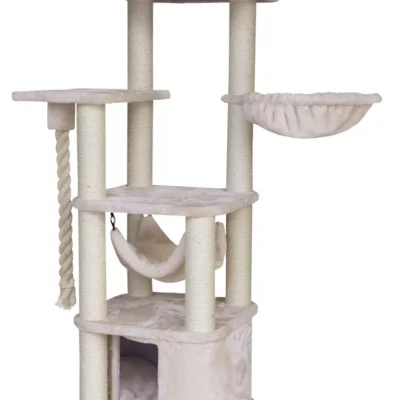
Ragdoll Zada Cat Tree
Original price was: £253.40.£170.00Current price is: £170.00. -
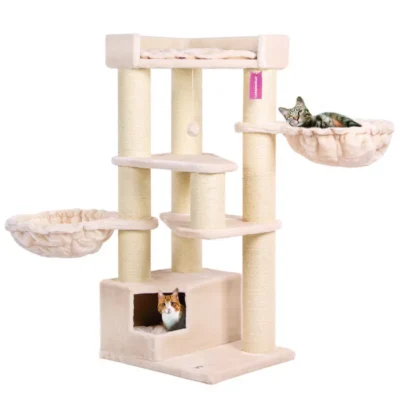
Canadian Corner Coon Activity Centre (Cream)
Original price was: £403.89.£269.54Current price is: £269.54. -
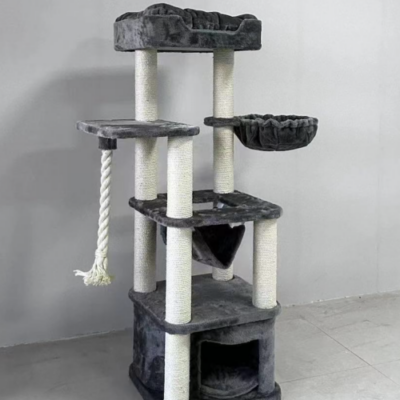
Ragdoll Zada Cat Tree (Anthracite)
Original price was: £212.25.£184.30Current price is: £184.30. -
Canadian Corner Coon Activity Centre (Anthracite)
Original price was: £403.89.£269.00Current price is: £269.00. -
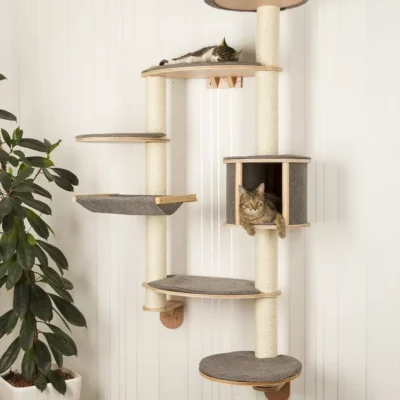
Wall-Mounted Cat Tree Dolomit XL Tofana
Original price was: £238.61.£225.00Current price is: £225.00. -
Cat Tree “Brida”
Original price was: £289.82.£244.99Current price is: £244.99. -
Cat Tree Arto
Original price was: £463.67.£370.19Current price is: £370.19. -
BARELI Cat Tree
Original price was: £329.71.£277.64Current price is: £277.64. -
Ragdoll Zada Cat Tree (Cappuccino)
Original price was: £212.25.£182.57Current price is: £182.57. -
Maine Coon Fiida Cat Tree
Original price was: £432.18.£392.28Current price is: £392.28. -
Maine Coon Fantasia Cat Tree
Original price was: £555.21.£503.46Current price is: £503.46. -
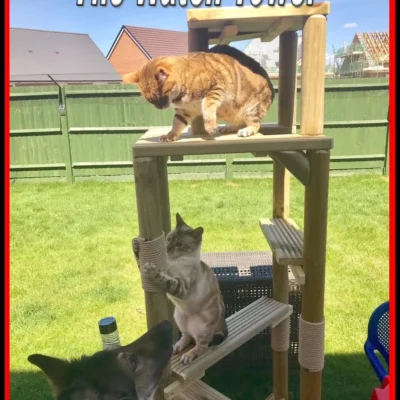
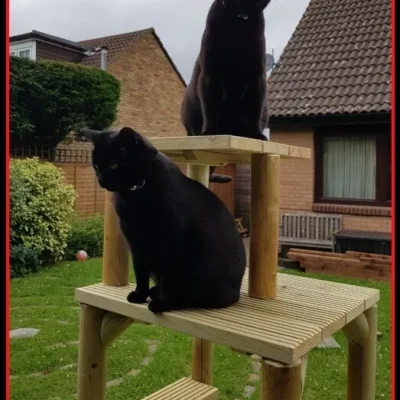
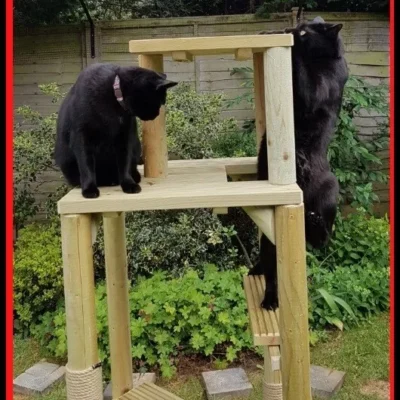
The Watch Tower
£232.00 -
Cat Tree Estaca
£251.36 -
Scratching post “Javis”
£252.78 -
The Ontario Cat Lounge (Creme)
£182.86 -
Ragdoll Fantasy Cat Tree (Grey)
Original price was: £595.11.£487.37Current price is: £487.37. -
The Klara XXL (Creme)
Original price was: £206.40.£177.21Current price is: £177.21. -
Maine Coon Extreme Deluxe
Original price was: £502.45.£452.07Current price is: £452.07. -
Ragdoll Juan
Original price was: £500.50.£472.00Current price is: £472.00. -
Lucano XXL Cat Tree
Original price was: £269.61.£185.86Current price is: £185.86. -
Maine Coon SAMAR
£284.82 -
Nanuk Cat Play System Tower Tree
Original price was: £283.09.£233.94Current price is: £233.94. -
ECO Cat Play House Alex
Original price was: £271.62.£182.00Current price is: £182.00. -
Maine Coon Elif Activity Center
£579.62 -
The Ruby Cat Tree (Grey)
Original price was: £605.52.£566.41Current price is: £566.41. -
The Residence Lounge (Cream)
£155.82 -
The Klara XXL (Light Grey)
£229.62 -
Portland Cat Tree (Anthracite)
£203.40 -
Ragdoll HITAL Cat Tree
Original price was: £461.97.£402.85Current price is: £402.85. -
The Watson Cat Tree
£112.35 -
Maine Coon Fantasia Cat Tree (Cream)
Original price was: £555.21.£502.69Current price is: £502.69. -
Cat scratcher “Rami” XXL
Original price was: £294.50.£246.07Current price is: £246.07. -
“Cupid XXL” (Cream)
Original price was: £492.90.£296.69Current price is: £296.69. -
The CHILO Deluxe
Original price was: £472.99.£407.78Current price is: £407.78. -
Panther Deluxe Cat Tree
Original price was: £472.67.£447.01Current price is: £447.01. -
Maine Coony Gadi Cat Tree
£703.77 -
The Ragdoll Tower
Original price was: £218.22.£195.39Current price is: £195.39. -
Panther Fredo Fantasy
Original price was: £430.91.£407.78Current price is: £407.78. -
The Ruby Cat Tree (Cappuccino)
Original price was: £605.52.£532.43Current price is: £532.43. -
Devon Rex Deluxe
Original price was: £306.67.£265.72Current price is: £265.72. -
Regina Cat Tree (Creme)
£189.70 -
The Ruby Cat Tree (Cream)
Original price was: £605.52.£566.41Current price is: £566.41. -
Savannah Cat Tree
£469.28 -
The Ruby Blackline (Limited Edition)
Original price was: £686.45.£532.43Current price is: £532.43. -
KALIN Tower
Original price was: £329.38.£295.86Current price is: £295.86. -
Maine Coon Fiida Cat Tree (Brown)
Original price was: £432.18.£389.13Current price is: £389.13. -
Cat Tree “Brida” (Blackline)
Original price was: £326.79.£266.76Current price is: £266.76.