

0
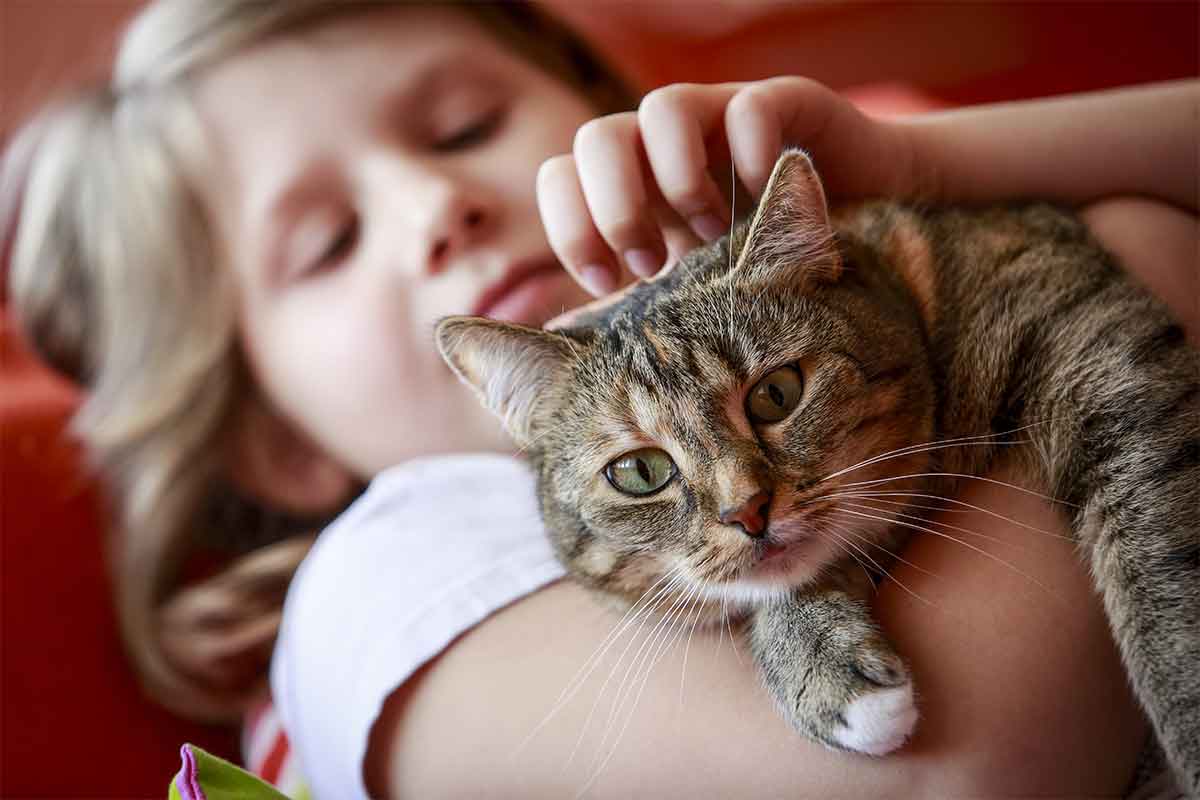
At CatTree.uk, we’ve helped thousands of UK families create harmonious homes where kids and cats truly thrive. Whether you’re bringing home your first kitten or teaching your toddler to respect an older rescue cat, the key isn’t luck—it’s understanding, patience, and the right environment. In this in-depth guide, we’ll walk you through everything: from reading cat body language to building lifelong bonds, plus practical tips that actually work in real family life.
We don’t just sell cat trees—we live this every day. As parents, cat lovers, and the team behind the UK’s largest specialist cat tree retailer, we’ve seen firsthand how the right setup turns potential chaos into companionship. Let’s make sure your kids and cats become the best of friends.
Why Cats Are Brilliant for Kids (And Backed by Real Benefits)
Cats aren’t just cute—they’re fantastic for children’s development. Studies show that growing up with a cat can lower anxiety, improve emotional regulation, and teach empathy from a young age. Kids learn responsibility through simple tasks like filling the water bowl, and they develop compassion by respecting another living being’s feelings.
One mum from Manchester told us: “My six-year-old used to get frustrated easily. Since we got our Ragdoll, he’s learned to read her moods and calm himself down first. It’s like having a furry therapist in the house!”
Of course, this only happens when interactions are positive. That’s where the real work begins.
Step 1: Setting Realistic Expectations – A Cat Is Family, Not a Toy
The golden rule we repeat to every family: a cat is a living animal with feelings, not a stuffed toy. Kids (especially under 8) need clear, repeated reminders that pulling tails, squeezing, or chasing can hurt or scare their feline friend.
Start with a family meeting. Explain that cats feel pain, fear, and joy just like we do. Use simple analogies: “Would you like it if someone yanked your hair or chased you when you wanted quiet time?”
This lesson sticks when you model it yourself. Never let rough play slide—even once.
Step 2: Teaching Kids to Read Cat Body Language (The Secret to Respect)
Cats communicate clearly if you know what to look for. Teach your children these basics:
Happy and relaxed: Upright tail with a gentle curve, slow blinking, forward ears, purring, and relaxed body.
“I need space” signals: Tail swishing or thumping, ears flattened or turned sideways, dilated pupils, hiding, or walking away.
Warning signs: Hissing, growling, arched back, or swatting—time to stop immediately.
Turn this into a game. Print pictures or use our free downloadable cat body language chart (link in resources at the end). Quiz each other: “What does this swishing tail mean?” Kids love it, and it prevents 90% of accidental scratches.
Pro tip: Never approach a cat from above or behind. Teach kids to sit on the floor, let the cat come to them, and offer a finger to sniff first.
Step 3: Age-Appropriate Guidelines for Every Stage
Babies and toddlers (0–3 years): Always supervise 100%. Never leave them alone, even for a second. Cats can feel threatened by sudden movements or loud cries. Create a “cat-only zone” using a sturdy cat tree with high perches or a baby gate.
Preschoolers (3–5 years): They’re curious but impulsive. Teach gentle petting with an open palm on the head or back only—no belly rubs or grabbing. Involve them in care tasks like choosing treats.
School-age kids (6+): They can take on more responsibility—feeding schedules, gentle grooming with a soft brush, and supervised play. This is when the real bonding magic happens.
Step 4: Involving Kids in Cat Care Builds Responsibility and Bonds
Kids who help care for their cat develop pride and empathy. Age-appropriate jobs include:
Filling the fresh water bowl daily (cats prefer ceramic or glass over plastic).
Measuring out food together.
Tidying toys at the end of playtime.
Helping change litter (older kids only, with gloves and adult supervision).
These small tasks show that love involves work, not just cuddles.
Step 5: Safe Play That Keeps Everyone Happy
Play is essential, but hands and feet are never toys. Teach kids to use wand toys, laser pointers (sparingly), or crumpled paper balls. A cardboard box with holes becomes an instant fort that both child and cat adore.
Our favourite family activity? “Hunt time” with a feather wand while the cat climbs their tree. It channels energy safely and creates shared joy.
Safety first: Trim nails regularly, and never force play when the cat walks away.
Step 6: Why Privacy and Vertical Space Matter More Than You Think
Cats are natural climbers and observers. In busy family homes, they need elevated safe zones to watch the “chaos” from above without feeling trapped. This is where a quality cat tree changes everything.
A well-designed cat tree with multiple levels, hiding spots, hammocks, and scratching posts gives your cat:
A place to retreat when kids are loud or excited.
Vertical territory that reduces stress and unwanted behaviours like furniture scratching.
A high vantage point to observe without being overwhelmed.
At CatTree.uk, our luxury cat trees (like the robust Kilimanjaro range or floor-to-ceiling models) are built exactly for this. Heavy bases for stability around energetic kids, multiple hideaways for shy cats, and extra-large perches for big breeds like Maine Coons. Browse our full range here: https://www.cattree.uk/collections/cat-trees.
Many families tell us their cat stopped hiding under the sofa once they added a proper tree. The kids quickly learn: “When Fluffy is up high, she wants quiet time.”
Step 7: Introducing a New Cat or Kitten to Your Family
Whether you’re adding a kitten to a home with kids or an older cat to a lively household:
Prepare a quiet “safe room” with food, water, litter, and a cat tree.
Let the cat explore at their own pace—never force introductions.
Use positive associations: treats and calm voices.
Supervise every interaction for the first few weeks.
For older cats: Go extra slow and respect their need for space.
Child-friendly breeds that often do brilliantly include Ragdolls (super affectionate), Maine Coons (gentle giants), British Shorthairs (calm and tolerant), and American Shorthairs (easy-going family pets).
Remember, personality matters more than breed—always meet the cat first.
Step 8: Common Challenges and How to Fix Them
Scratching furniture? Place a sturdy scratching post or barrel right next to it and reward use. Our scratching posts are designed to last years.
Jealousy or hiding? Give the cat their own high space and maintain routines.
Over-excitement from kids? Use a “cat signal” like a special mat where kids must sit quietly.
Consistency and calm win every time.
Frequently Asked Questions About Kids and Cats
Is it safe to have a cat with young children?
Yes—when supervised and with clear rules. Most scratches happen from misunderstanding boundaries, not aggression.
What if my cat hisses at the kids?
That’s communication, not dislike. Give space, use treats for positive associations, and consider a cat tree for escape routes.
Should I trim my cat’s nails?
Yes, regularly—especially with kids in the house. It’s painless and prevents accidental scratches.
Are certain breeds better?
Ragdolls, Maine Coons, and British Shorthairs top the list for families, but any cat with a calm temperament can work wonderfully.
How do I stop my child from chasing the cat?
Teach “ask first” and redirect to toys. Make it a game: “Let’s play with the wand instead!”
Final Thoughts: Building a Lifetime of Friendship
Raising kids with cats is one of the most rewarding family adventures. It teaches respect, patience, responsibility, and unconditional love. With the right guidance, supervision, and a proper cat-friendly home (starting with a quality cat tree), your children and their feline friend will create memories that last forever.
At CatTree.uk we’re here to help every step of the way. Our award-winning cat trees and scratching posts aren’t just furniture—they’re the foundation of peaceful multi-species households. Explore our full collection today and give your cat (and kids) the space they deserve: www.cattree.uk.
Have questions about your specific situation? Drop us a message—we love hearing your family’s cat stories.
Written by the CatTree.uk Team
With over a decade of experience helping UK families create cat-friendly homes. Passionate about evidence-based cat care, real-world family advice, and products that actually work. Updated April 2026.
Resources & Further Reading
Our free cat body language guide (download on site)
Best cat trees for families with kids
How to choose the perfect scratching post