

0
I’ve been a pet owner for over a decade now—first with dogs, and now sharing my home with both a lively Labrador and two mischievous cats. Dealing with their poo is hands-down one of the least glamorous parts of pet parenthood. On those rainy days when I’m scooping the litter tray or picking up after a walk, I’ve definitely wondered: wouldn’t it be easier to just flush it all down the toilet? It seems quick, clean, and out of sight. But after doing some digging (and learning the hard way about a near-plumbing disaster), I’ve realised it’s not that simple. In fact, in the UK, it’s a big no—no. Let me share what I’ve learned about the truth behind pet waste disposal.
Why I Thought Flushing Might Be Okay (And Why It’s Not)
Like many of us, I figured pet poo was pretty similar to human waste—why wouldn’t the sewer system handle it? Turns out, it’s not designed for animal faeces at all. UK water companies like Thames Water, Anglian Water, and Severn Trent are crystal clear: only the “three Ps” go down the loo—pee, poo (human), and (toilet) paper.
Dog and cat poo contain parasites, bacteria, and pathogens that our sewage treatment isn’t equipped to fully eliminate. The big one everyone mentions is Toxoplasma gondii from cat faeces—a tough parasite that can survive treatment and end up in rivers and seas, harming wildlife like sea otters and fish. For dogs, there’s Toxocara, which causes toxocariasis and can affect humans, especially kids.
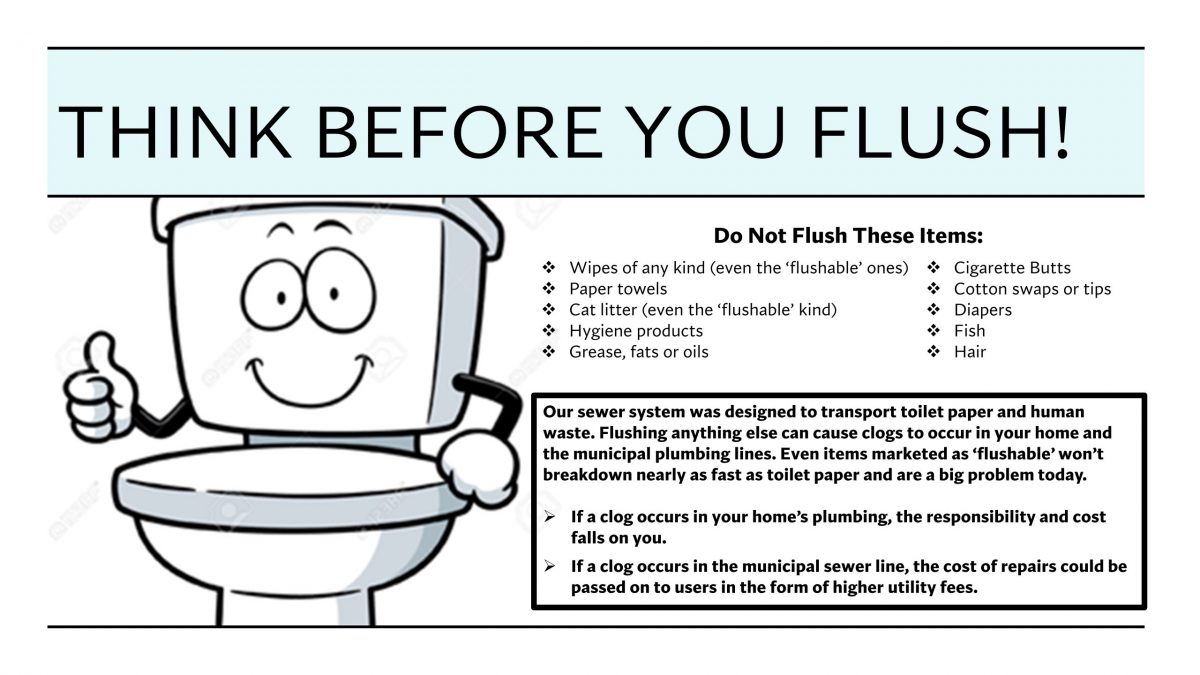
Even “flushable” cat litter? Don’t fall for it. It might break down a bit, but it often swells, clogs pipes, and still carries those risks. I’ve seen warnings everywhere now—water authorities say no litter down the toilet, period.
Flushing also isn’t greener than you think. Sure, it skips plastic bags, but untreated pathogens polluting waterways is way worse for the environment in the long run.
The Real Risks: Plumbing Nightmares and Bigger Issues
Trust me, blocked pipes are no joke. Older UK homes (like mine) aren’t built for clumping litter or swollen waste—it can lead to backups, bad smells, and expensive plumber visits. And on a larger scale, those parasites contaminating water affect ecosystems and even public health.
How I Properly Dispose of Pet Waste Now
After realising flushing was off the table, I switched to better habits—and it’s made life easier and more responsible.
For my dog: Always bag it on walks using biodegradable or compostable poo bags (they break down much faster than regular plastic). Then into a public dog waste bin or my general household bin. No leaving it behind—it’s the law to pick up after your dog in public, and it’s just good manners
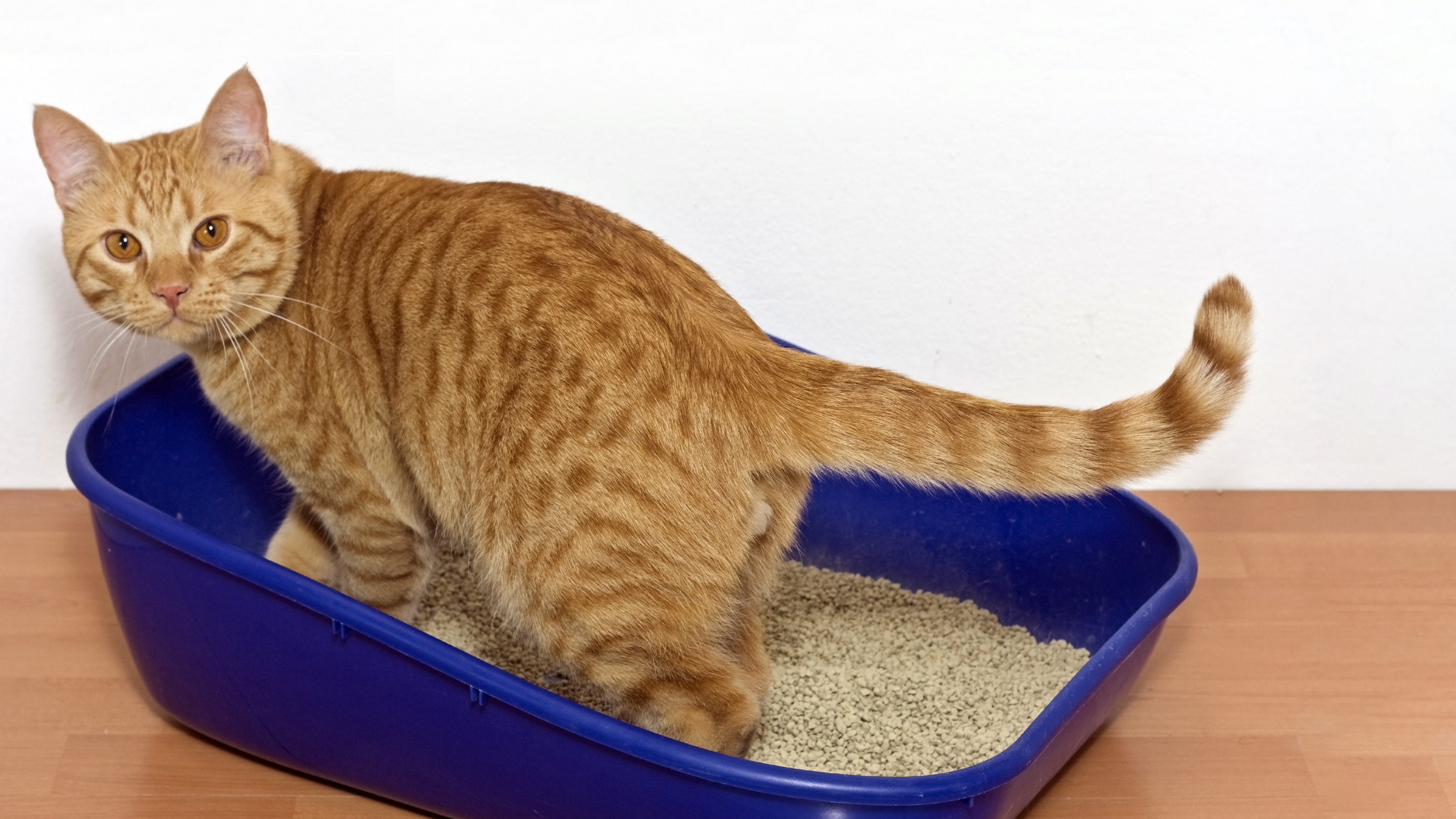
For my cats: Scoop the litter tray daily (it keeps odours down too), pop the waste into a small biodegradable bag or straight into a lined bin, and out with the regular rubbish. I use good odour-control litter now, which helps a ton.
If you’ve got space, a dedicated pet waste composter is an eco option—just don’t use the compost on veg patches.
Making It Eco-Friendly and Less Gross
Being a responsible pet owner doesn’t mean drowning in waste worries. Switching to biodegradable options has made me feel better about my pets’ impact. Daily scooping and good bins keep the house fresh, and knowing I’m not contributing to water pollution or pipe blockages is a relief.
In the end, no, you absolutely shouldn’t flush your dog or cat’s poo down the toilet in the UK—it’s bad for your plumbing, the environment, and wildlife. Stick to bagging and binning, and we’ll all be better off.
What’s your go-to way for dealing with pet waste? Any tips for keeping things odour-free? Share in the comments—I’d love to hear!